Wednesday, November 9, 2016

How Google Symptom Search will affect the healthcare industry

Google's Symptom Search is revolutionizing the patient path to treatment, and doctors should embrace this development as an opportunity to provide better care, rather than as a threat to their credibility.


This past week, I was catching up with a friend who told me about a recent life-or-death situation he found himself in.


He had just undergone foot surgery to take care of bone spurs – a pretty standard procedure that offers little cause for concern. After returning home, he found himself experiencing calf pain, yet being the type to grin and bear it, he just decided to ignore it. But soon enough his pain became too intense for even him to hide and his wife grew increasingly concerned.


She decided to join her husband for his post-op appointment with the doctor, assuming he would downplay the severity of his pain. Just as she expected, my friend acted as if nothing was wrong, and the doctor unsurprisingly sent him on his way.


Luckily, she had the wherewithal to whip out her phone and do a Google search on calf pain after foot surgery before they left the office. Her search resulted in multiple possibilities: foot pain, bunion, Deep Vein Thrombosis (DVT), blood clot, and embolism.

google-symptom-search


After filtering through the options Google presented, she determined that a blood clot could be a major risk to her husband, so she dragged him back into the exam room and asked the doctor if DVT (the technical term for a blood clot in a vein typically found in the leg) was a possibility. With a roll of his eyes, he agreed to give the leg another look.


After further examination, the doctor sent my friend to the hospital for a more in-depth evaluation, and what do you know? Scans revealed a blood clot in his leg.


Given a few more days without treatment, my friend could have easily had larger concerns than calf pain or bone spurs. He was running the risk of losing the leg or even his life.


Thankfully, his wife's intuition and the resources available while performing a search on Google saved him from a potentially harrowing affair. Once we knew he was going to be alright, my interest immediately turned to her experience with the search process – after all, I'm in digital marketing.


Google Symptom Search and the patient path to treatment


Google's decision to roll out symptom search comes as a direct response to key changes that have occurred in the patient path to treatment over the past decade or so.

symptom-search


Recent data shows that 43% of consumers rely on the internet as their go-to resource for health-related information – far more than the 14% of people who claim they first turn to doctors. What's more, the volume of online health queries is rising at a rate of roughly 7% per year.


However, the massive amount of unfiltered, unsubstantiated information available – thanks to sites like WebMD and a growing number of online forums – have made the search for accurate medical advice incredibly difficult. As a result, patients are more likely to stumble across alarmist diagnoses or, conversely, overlook a serious condition.


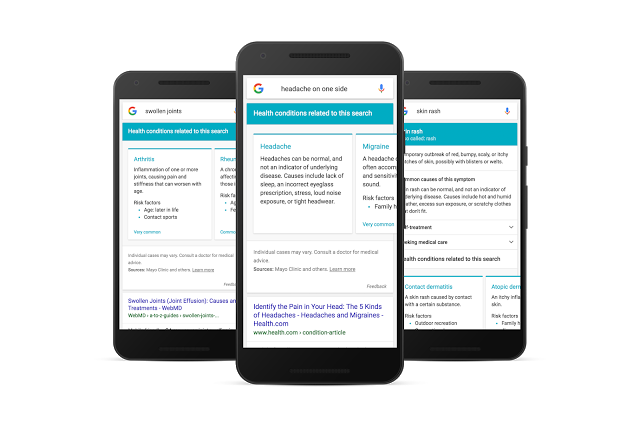
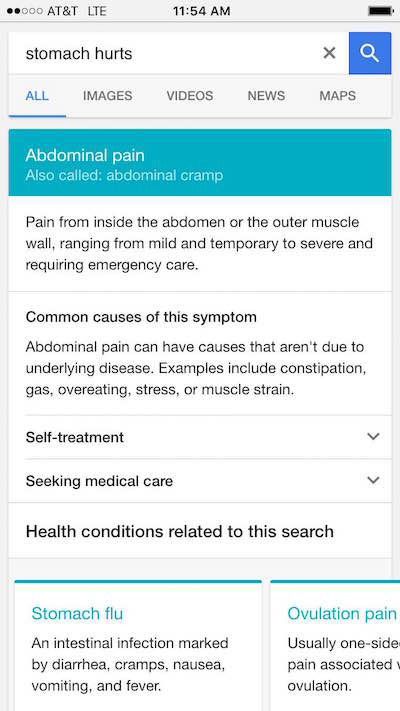
Symptom search represents a big step forward in the fight against misinformation in the digital patient path to treatment. Currently available only on mobile, the feature allows users to enter just a few symptoms, yielding a short, vetted list of related conditions, possible causes, and treatments.


It's designed to avoid alarmist diagnoses while focusing on the most likely causes of your condition.


According to Google's blog, it intends to help users “quickly get to the point where [they] can do more in-depth research on the web or talk to a health professional.”


GOOGLE SYMPTOM SEARCH


With more and more patients going online to conduct their own research at the first sign of illness or injury, a streamlined, accurate service like Symptom Search is a welcome addition to a previously convoluted patient journey.


Consumer-driven disruption in healthcare


Of course, symptom search isn't the only development to emerge out of this shift in the “balance of power.” Digital optimization and on-demand services have become a baseline expectation for consumers in all aspects of day-to-day life (think Uber, Seamless, even Tinder). As a result, the healthcare industry has found itself with little to no say in the matter.


Back in the 1930s, nearly 40% of doctor visits were at-home, but by the early 1980s, the practice had effectively vanished.


Today, the massive proliferation of one-touch, on-demand smartphone services are forcing doctors to bring back the personalized approach – or risk losing patients to others who are more flexible and willing to embrace this trend.


As a result, we've seen the emergence of the “Uber-ization” of medical appointments. Companies like Heal, Dispatch, Pager, and MedZed have already been making waves with app-enabled house and in-office calls.


Similarly, remote patient monitoring technologies and startups have taken off in recent years – for example, BeWell Connect, a subsidiary of Viseomed, is using cutting-edge technologies in order to improve the quality of life for patients with conditions that require ongoing monitoring from a physician or specialist.


Its wide range of devices, from thermometers to blood sugar meters to health and fitness trackers, are all connected and managed through a single, intuitive app.


This provides seamless access to vital health information for the entire family, helping patients and caregivers stay one step ahead of health-related issues without having to take on the often untenable cost and time burden of regular in-office visits.


Personal opinions and political leanings aside, recent legislation has also reflected this trend towards a consumer-centric healthcare industry. For example, portions of the Affordable Care Act, such as price transparency requirements and the institution of an online, open-access marketplace, come as a direct response to consumer demand for increased personal control. (See also the federal government's $30 billion dollar push for electronic health records in 2009).


Here's a brief glimpse at some of the key markets in which this consumer-driven disruption has already had a demonstrable impact:


  • Consumers have overwhelmingly embraced the wearables and connected devices market, purchasing these products by the millions to improve their overall health and well-being. The wearables market grew to $12.6 billion in 2015, and is predicted to hit $95.3 billion within the next five years.

  • The remote care and patient monitoring technologies markets are booming. Today, 84% of 18-34-year-olds would prefer a mobile-mediated consultation to an office visit, and there will be 3 million remotely-monitored patients by 2019. Moreover, the remote monitoring tech market is expected to reach $20.9 billion by the end of this year.

  • Demand for increased efficiency and price transparency has prompted a surge of venture capital investment into disruptive digital health and biotech startups. Funding topped $16 billion last year, up 34% from 2014.

  • 95% of consumers demand online access to health records, says Accenture, driving cloud adoption and making software a “core competency” for medical companies. In fact, 82% of small practices in urban areas have already switched over to cloud-based EHR systems. What's more, the widespread interconnection of medical devices could save healthcare $30 billion annually.


Embracing change


Importantly, this apparent shift in the “healthcare power structure,” and the tools that have emerged as a result (i.e., Symptom Search) will never fully negate a medical professional's expertise or authority, nor are they designed to.


However, as my friend's story shows, digital technologies and services can be an invaluable preliminary resource for today's increasingly “active” patients.


Moreover, the canon of medical science is simply too expansive for any one doctor to maintain an encyclopaedic knowledge of every last condition. As such, doctors shouldn't resist these changes – rather, they should approach them with open arms, recognizing that such developments can actually help improve the accuracy of diagnoses and enhance the overall level of care.


One proponent of this idea, Dr. Bobby Ghaheri, recently published a post on his Facebook account outlining a conversation he had with a patient who had conducted his own research online and actually taught him a lesson.


As he tells it, the two of them share a rare condition, and his patient was the first to inform him about cutting-edge research on the topic. As Dr. Ghaheri declares:


“No longer will parents and patients just accept with blind faith everything said by their doctor (nor should they). If mutual cooperation to optimize a patient's health isn't embraced, I truly feel like the doctor is failing. We as a medical profession need to suck it up, swallow our egos, and start striving to learn more, regardless of the source of that information.”


I fully agree with Dr. Ghaheri here: technology shouldn't be viewed as a threat to a doctor's credibility or an insult to their expertise. So listen to what your patients have to say – worst-case scenario, you correct their misinformation. Best case, you just might save someone's life.


Jonathan Catley is the Director of Sales & Marketing at MD Connect and a contributor to SEW.

Tuesday, November 8, 2016

Facebook is bringing its Audience Network to television

By some estimates, Google and Facebook are capturing upwards of 80% of every new dollar spent on digital advertising.


But with the pool of dollars spent on television ads still being slightly greater than the pool of dollars spent on digital ads, it's no surprise that both companies are trying to find ways to tap into television ad budgets.


This week, Facebook's efforts in this area will enter a new frontier, as the world's largest social network will begin delivering video ads to consumers using over-the-top TV devices like Apple TV and Roku.


As Recode, which broke the news of Facebook's initiative, observed, the company's effort could bring a new level of targeting to ads in this space.


“That's because Facebook can use the same targeting data that powers the rest of its advertising network to the set-top boxes, even though those apps aren't directly connected to Facebook.”


Facebook's connected TV ads will be delivered through the company's Audience Network, which was launched in 2014 as “a new way for advertisers to extend their campaigns beyond Facebook and into other mobile apps.”


In effect, Audience Network is Facebook's version of Google AdSense, and it's an increasingly important asset for Facebook as it addresses ad load challenges that could become a real problem in 2017.


FacebookAudienceNetwork1


Facebook has partnered with A+E and Tubi TV to deliver ads in their apps. Initially, it won't sell inventory to marketers. Instead, it will serve up house ads for Facebook services or nonprofits it works with.


To target ads, Facebook will use the IP addresses of connected TV devices to identify the Facebook accounts that are likely associated with those devices.


Success is not guaranteed


While Facebook's targeting capabilities will obviously be attractive to marketers and content owners alike, it remains to be seen whether the company's efforts to stake out a position in the market for over-the-top TV devices will be successful.


As AdAge points out, Facebook shuttered LiveRail, the video ad exchange it purchased for half a billion dollars two years ago. And Facebook will almost certainly find itself competing with the makers of the over-the-top TV devices themselves, such as Apple.


So while Facebook's Audience Network seems like it has the makings of a contender in the space, the battle over television ad budgets will be hard fought.

Monday, November 7, 2016

Case Study: A Penguin 4.0 Recovery

We've had time for the dust to settle after the Real-Time Penguin update was released.  It's now been more than 4 weeks since the update was implemented, and close to a month since Google announced the end of the launch.  The question in everyone's mind now is – what can we learn from this update? How should we proceed now that Penguin is integrated into the algorithm?


In this article, we'll delve into an analysis of results pages to determine what can be inferred from this latest update.  Unfortunately, we are not at liberty to disclose the site, but we are free to discuss the details and process that we followed to achieve this recovery.


Out of Antarctica


Many have complained that there have been few recoveries from Penguin 4.0.  I think it's important to analyze those sites that recovered so we can identify what works and what will continue to work now that Penguin 4.0 is real time.


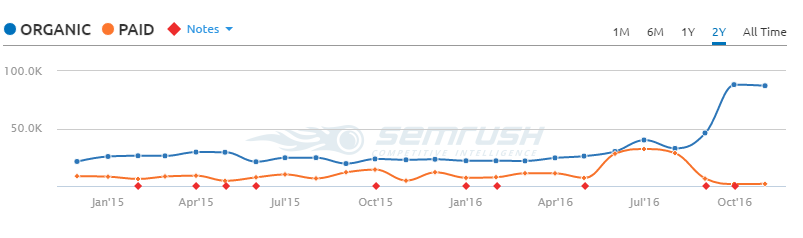
Let's start by looking at the organic traffic patterns according to SEMrush:


As you can see, this is an obvious case of a Penguin recovery.  Traffic doubled when Penguin 4.0 was released, and thousands of long tail terms increased in the rankings.


The Penalty


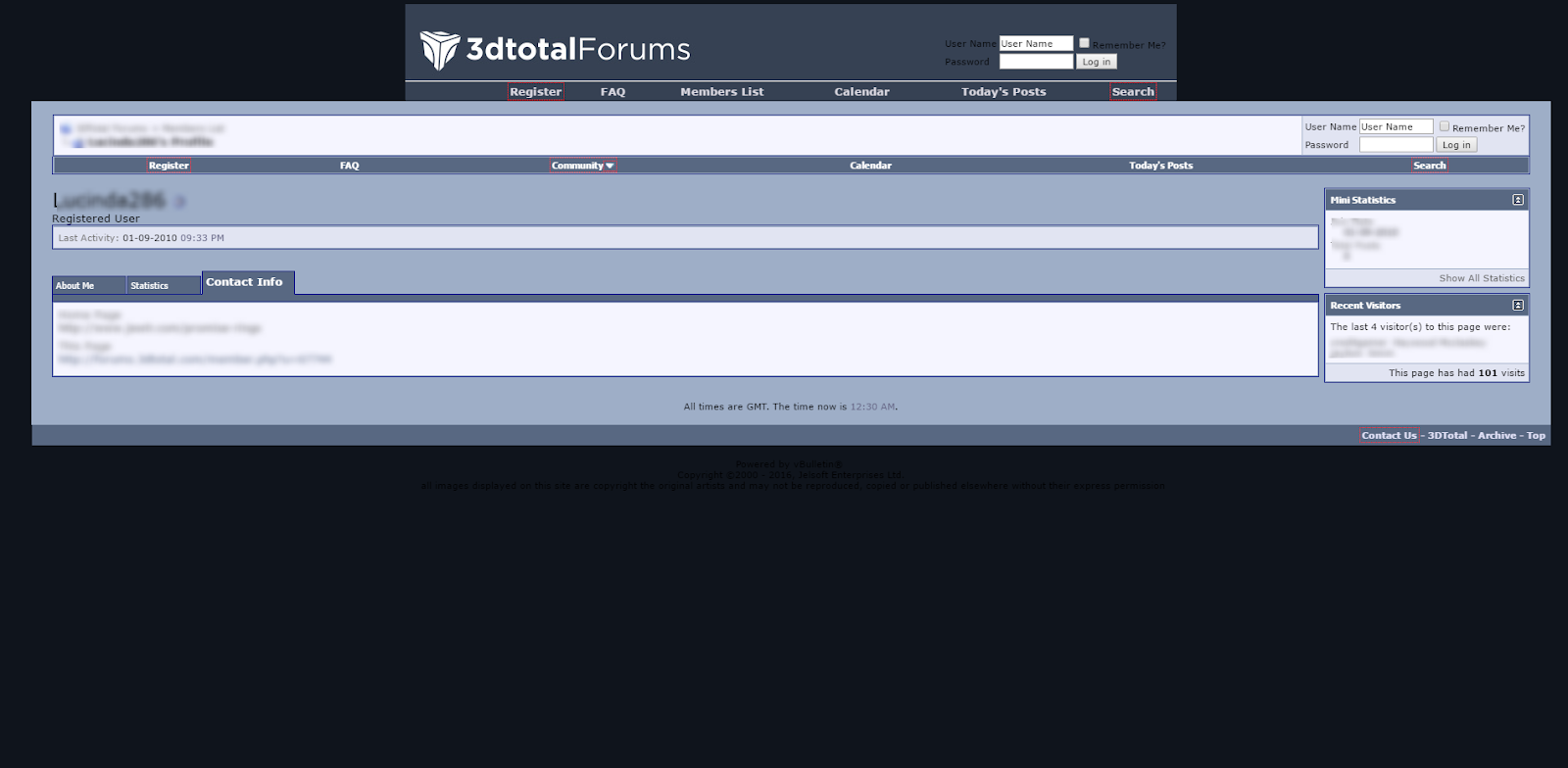
What caused this site to receive a Penguin penalty to begin with?  This client came to us after engaging in the typical Pre-Penguin linking schemas.  They had engaged in article submissions, profile spam, comment spam, web 2.0 spam, and other such links.


At the time of the penalty, the site lost between 40-60% of organic traffic.


The Strategy – Cleaning Out


We started with a link audit, where we mapped their backlinks by patterns.  We looked at all of their anchor text backlinks, and disavowed them all.


Next, we looked at sites that fit the typical Pre-Penguin patterns, including article directories, forums, and web 2.0 sites.  We disavowed every last one of them.


We didn't stop there.  We looked at every single backlink to look for low quality sites, scrapers, and any other site that wasn't of value to Google.  All of those were disavowed as well.


The Strategy – Building  Up


Knowing that many of the links that had previously supported the site's rankings had been disavowed, we proceeded to earn high quality links.  


Our strategy was not to “build links” like many other companies were doing.  Instead, we pursued campaign based digital PR with blogger, media, and press outreach. We focused on quarterly campaigns with high level content creation featuring unique stories and research.


One of the campaigns constituted of a survey of over 50,000 participants to explore an industry specific question that hadn't been previously explored.  The findings were visualized with infographics, ebooks, and other digital assets.  The results included coverage in Huffington Post, the Telegraph, USA Today, and LA Times, amongst many others.


The campaigns were complemented by reaching out to bloggers and influencers, and sharing the findings of our study.    Instead of offering compensation, bloggers and influencers were compelled by the fact that the study was unique and the data not found elsewhere.  


Going Forward: What Should Site Owners Do?


If you still have a Penguin 4.0 penalty, there is hope! Now that Penguin is real-time, you do not have to wait months or years for Google to run an update and to see the results of your work.  You can now count on seeing recoveries sooner if you go through the effort of cleaning out your link profile and earning quality links.


If you do not have a Penguin penalty, then you can start building links a little more aggressively.  Google announced that the negative links will no longer result in penalties.  Instead, the links will simply not count – positive or negative.  So if the links are negative, they will not boost your rankings, but will not cause terrible traffic loses like they used to.  


BEWARE.


Manual evaluation of links and manual penalties will likely increase.   With all of the disavow data Google has sufficient data to apply AI spam filters, which will likely alert human spam raters who will review and apply manual penalties. DO NOT BUILD SPAM LINKS.  Recovering from manual penalties is infinitely harder than recovering from Penguin – especially now.  


What Real Time Penguin means is that you can be a bit more aggressive, without fear of accidentally tripping algorithmic penalties that cause a loss of site wide traffic.   And if you DO build a few low quality links along the way, you do not need to fear as much as you would've in the past.  

How to create an effective digital marketing strategy

A digital marketing strategy is important for every business seeking further growth, but how can you create an effective one?


More and more businesses jump onto the digital marketing bandwagon, hoping to achieve bigger goals, but even in 2016, not all of them start by creating a digital marketing strategy.


According to Smart Insights, 47% of businesses don't have a set plan or strategy for their digital marketing efforts and this may affect their long term goals. Even the smallest business using digital marketing needs to document its strategy, in a way that it will help keep track with the objectives and their results.


Digital marketing strategy


What is a digital marketing strategy?


It may sound scary to hear that you need to create a strategy from scratch, but in fact, it's simpler than it seems. A digital marketing strategy is the plan for your next steps, and it helps you make your efforts more effective.


There's no need to see it as a big and terrifying process, but rather as a series of activities that will bring you closer to your set goals.


Once a business gets into planning its digital marketing actions, it's already closer to achieve its objectives, as the strategy serves as the reminder on what still needs to be performed.


For example, even if a business starts with the objective of increasing leads during the year, a simple digital marketing strategy is turning an abstract goal into a measurable plan, highlighting the steps that need to be followed until the strategy is effective.


Five steps to an effective digital marketing strategy


1. Define 


The first step is to define the goals for your business in a way that you become aware of the next steps needed to achieve them.


  • What does your business want to improve?

  • How can it turn the plan into action?


A series of questions can lead to the right answers, or even create new questions that you may not have thought at first. This will give you a better understanding of how a digital marketing strategy can help you, providing the motivation to continue working towards your business' growth.


2. Analyse 


Analysis should help you learn more about your:


  • audience

  • business

  • goals

  • existing assets


It may be a good idea to start by creating buyer personas, a sample of the customers you are trying to reach. The analysis of their profiles, their needs, their expectations can help you reach them more effectively, so there's no need to ignore this step.


You can also start by analysing your existing assets and the digital marketing channels to find what you have already achieved, what works, and what can be improved.


Owned media


This refers to the digital assets that your business owns. It includes your website, your social presence, your blog, your visual content and anything else that belongs to your business.


Your owned channels are a vital part of your digital marketing strategy, as they are the starting point for your existing presence and what can be achieved while growing it.


Earned Media


Earned media refers to what you have gained from others about your business and it may include reviews, mentions, shares, PR coverage, guest posts and anything else that was earned through word-of-mouth.


An analysis of your most successful earned media can offer a great understanding of your next steps regarding your digital marketing strategy and how to reach your goals through the most effective sources.


Paid Media


Paid media refers to what you have acquired through paid promotion and it may include Google AdWords, paid social posts, native advertising and anything else that included an increased visibility through an additional payment for it.


Use each platform to analyse its success and decide on which ones to focus on, depending on the goals, the budget, or the effectiveness of each one.


3. Plan 


The documentation of the goals and the existing assets leads to the actual planning of the digital marketing strategy.


  • How can you turn the goals into actions?

  • What are the main priorities once you start with digital marketing?

  • Which channels should you use?

  • How many members will your campaign need?

  • Can you describe both your short and long term goals?


A digital marketing calendar can be useful to help you with the planning of your next steps and it may also help you track the milestones of your efforts and the pending actions for each campaign.


Moreover, there are many types of plans that can facilitate your digital marketing strategy, with each one having a different use:


  • Weekly and daily operational plans

  • Campaign plans

  • Annual plans

  • Long-term vision


Each plan contributes towards your ultimate goals and even if it seems time consuming to create them, the rewards may help your business stand out from its competitors.


According to Smart Insights, only 32% of businesses create an annual plan for digital marketing, and the percentage is even smaller (10%) when counting the ones that think of a long term plan.


This may be justified by the constant changes in digital marketing, but it may still be useful to set a draft plan for the years ahead to help your business have a broader goal in mind.


screen-shot-2016-10-16-at-20-53-42


4. Execute 


This is the step where planning becomes action. The more detailed the plan, the higher the chances to to enjoy its execution and avoid any surprises.


When a campaign is ready to launch, the team should be ready to collaborate to complete the tasks and ensure that the goals will be met. Previous planning is always useful, but this doesn't mean that it should be followed in every detail.


During the execution of your digital marketing strategy, there should always be room for experimentation, creativity, or even reaction if there's a last minute change.


  • Is there a channel that doesn't work as you expected?

  • Did you find a new opportunity that could benefit your campaign?

  • Is there any change to your set goals?

  • Do you really know your audience?


If you're hesitating for any of the above questions, you can still adjust your digital marketing strategy during its execution, provided that all the team is flexible to proceed to the necessary changes.


5. Measure


The measurement of your digital marketing efforts can occur in every stage, from the planning and the definition of the KPIs, to the execution and the analysis of what works and what needs to be improved.


There's no need to measure the actions that do not bring you closer to your goals, which means that you should focus on the metrics that can help you understand whether your plan is closer to be successful. This may even lead to a confusion, or a misinterpretation of what is considered as successful measurement, leading to wrong conclusions.


For example, if your initial goal is to increase the quality leads, but you eventually realise that your Facebook videos have increased your Page's engagement, then this may bring the false assumption that you're closer to your goal. Although this successful measurement can gradually help you increase your leads (through a series of steps), it's not a metric that you'd initially set when seeking for new leads. Thus, you can either shift your focus on more relevant metrics, or think outside the box on how an unexpected success can bring you closer to your goal.


A clear definition of your KPIs can help you measure your digital marketing strategy and analyse what brings you closer to your goals and what needs to be improved.


Takeaway


Five steps of a digital marketing strategy


A digital marketing strategy can be the first step towards bigger plans for your business, provided that you invest the time and the budget on it.


In fact, by the time you understand that you need to create a digital marketing strategy, you're already closer to your goals.


Not every business makes the effort to document a digital marketing strategy, as it may be easier to dive into its implementation and see how it goes, but it's the initial planning that will guide you through the process, reminding you that every stage serves its own purpose.

Sunday, November 6, 2016

Develop the Right Mind Set to Reach Your Goals

new-mindsetHave you ever noticed anyone in your life that has a sunny disposition, all the time? Have you also noticed that this individual seems to sail through life, as well? Well, perhaps the right mind set is the key to real and lasting happiness.

At the end of the day, no matter what happens, we have the power to choose our thoughts about that event. Developing the right mind set will help you reach your goals.

There's Work Involved

Just like anything else in life that is worth having, developing the right mind set has a little bit of work involved. However, this work is not too painful. It really is a matter of training your brain and resetting it to a program you want to replay over and over again.

You must make an effort everyday to listen to how many times the voice of negativity comes to visit. When you hear that voice of negativity that wants to sabotage your success, keep you safe, and makes you fearful, you must work hard to deflate it.

Give that voice of negativity to set in, look deeply into that thought and see if there is anything useful in it for you. For example, if you are feeling fearful about a new endeavor, listen deeply and see if there is any validity to that fear. If not, then chalk it up to self-sabotaging talk and move forward.

Retrain your Brain

Once you have recognized the negative talk and realize it is not valid, move on to the next step, which is to retrain your brain. Take that thought of, “What if I fail?” and change it to “What if I succeed?”

Retraining your brain takes practice every day. The use of positive affirmations is a useful tool in retraining your brain. Although it might feel a bit awkward at first, positive affirmations really do work.

Align Yourself with Success

We all have goals. The difference between those who succeed and those who fail are those who succeed are willing to try. If you are afraid of failure, see how you can turn that around. Maybe failure is a way of learning, but never trying will not equate success.

Align yourself with success by taking on new things. Network in different places, join seminars, take classes to boost your skill set and your confidence. Try something new you have never done before – even if it is public speaking.

Set your own self up for success, put yourself in places where you are bound to succeed, and learn to recognize that even if you fail once or twice, the mere fact that you are trying aligns you with success.

Once you have succeed in smaller steps, you will feel more confident to take on more and more eventually reaching those coveted goals.


DO YOU NEED A WAY TO GET MORE LEADS? WATCH THIS SHORT VIDEO BY MY FRIEND BRIAN…CLICK HERE

Develop the Right Mind Set to Reach Your Goals

The post Develop the Right Mind Set to Reach Your Goals appeared first on M.A.S. Marketing Team.

Friday, November 4, 2016

Understanding FTC guidelines for influencer marketing

The FTC is cracking down on brands that aren't following the rules and regulations for influencer marketing. Where they are and aren't enforcing these rules, though, has left many confused.


To help with your influencer marketing planning, we've outlined what you need to do in order to keep your brand compliant with the FTC Guidelines.


Include disclosures


The important point is for the influencer to get the message across to his/her audience that the brand is compensating him/her for the post. Surprisingly, there is no single correct way to do this.


In the FTC guide, the organization outlines these two options for statements as a way of properly alerting audiences that the brand provided products for the influencer to post about:


“Company XX gave me this product to try . . .”


“Some of the products I'm going to use in this video were sent to me by XX's manufacturers.”


The FTC's guidance is to make the audience aware of the nature of the influencer's relationship with the brand. If you're providing both product and additional compensation, then the likelihood is increased that the influencer will give a favorable review.


The addition of compensation beyond product trial could bring into question the validity of the review. This makes disclosure especially important.


The only two hashtag versions that seem to fully cover your bases are #ad and #sponsored- these are the briefest ways to declare that an influencer is receiving financial compensation, as well as products, for a post.


Make disclosures clear & conspicuous


The basic question you should ask yourself when evaluating a caption for a sponsored post is, “Could anyone mistake this for a non-sponsored, organic post?” If the answer is “yes,” then the disclosure is not sufficient.


The FTC requires that disclosures be “clear and conspicuous.” Clear, meaning you can't mistake it for an organic ad. Conspicuous, meaning you can't miss it.


US Federal Trade Commission FTC Washington DC


When you're giving creative direction to your influencers, make sure that they understand the basic rules and give them some examples of disclosure statements that they can use in their posts.


Thinking that your influencers can bury their disclosure tag in a second comment amongst a bunch of other tags? Think again. The FTC guidelines clearly discourage that: “Preferably, design advertisements so that 'scrolling' is not necessary in order to find a disclosure. When scrolling is necessary, use text or visual cues to encourage consumers to scroll to view the disclosure.”


In short, these are the FTC's criteria for gauging whether your disclosure message meets their standards:


  • Close to the claims to which they relate;

  • In a font that is easy to read;

  • In a shade that stands out against the background;

  • For video ads, on the screen long enough to be noticed, read, and understood;

  • For audio disclosures, read at a cadence that is easy for consumers to follow and in words consumers will understand.


Make the posts honest


Brands cannot make false claims about their products in any kind of advertising. This rule applies to influencer content, as well. If the tea can't really help you detox, or the strips can't really whiten your teeth, you're not allowed to purport that they can.


Furthermore, disclosures do not absolve false claims: “A disclosure can only qualify or limit a claim to avoid a misleading impression. It cannot cure a false claim.”


If you are identifying influencers who are smart lifestyle matches and who believe in your products, you're off to a good start. Most content creators will not partner with brands whose products they would never actually consume.


If influencers believe in the product they are endorsing, their content will be much more meaningful to both the audiences and the brands. In addition, you can be comfortable that the claims they're making (if any) are truthful.


The FTC provides these three guidelines for avoiding false claims:


  • You can't talk about your experience with a product if you haven't tried it.

  • If you were paid to try a product and you thought it was terrible, you can't say it's terrific.

  • You can't make claims about a product that would require proof the advertiser doesn't have.


Understand the consequences


So what if an influencer doesn't disclose their involvement with your brand? What could happen?


The FTC has been cracking down on companies and influencer marketing agencies that do not have disclosures included in the posts made on their behalf.


Two recent examples:


Lord & Taylor's now-famous blogger campaign that featured 50 women endorsing one dress without disclosure of their sponsored relationship. The campaign was outrageously successful, with the dress quickly selling out.


This success may have caught the attention of the FTC, which led a complaint against the brand. The FTC will be babysitting Lord & Taylor's marketing efforts from here on out to make sure that they don't violate the rules again.


Warner Bros paid people to promote a new video game without properly disclosing their affiliation with the brand. The brand directed influencers to “place sponsorship information in the text of the description box – that's the collapsed box just below a YouTube video – not in the video itself.”


shadow-of-mordor


The FTC caught wind of this and the brand was reprimanded. The settlement included steps to ensure that the brand is “educating influencers regarding sponsorship disclosures, monitoring sponsored influencer videos for compliance, and, under certain circumstances, terminating or withholding payment from influencers or ad agencies for non-compliance.”


These brands will have the FTC looking over their shoulder at every turn for future violations. But what could happen to the individual content creator involved with a deceptive program?


In the case of the Warner Bros settlement, it is clear that the FTC could require that a brand or agency withhold your payment. Queen of the internet, Kim Kardashian, was reprimanded by the FTC for a post she made to promote a morning-sickness pill during her pregnancy.


Kardashian stated in her caption that she was “excited and happy to partner” with the brand. The FTC did not deem this a clear enough statement about her financial relationship with the brand.


Advertising Attorney Linda Goldstein, with the law firm Manatt, Phelps & Phillips, speculates that the FTC could pursue legal action against Kardashian for misrepresenting the drug in an ad.


As of the writing date, we are not aware of any legal action taken against individual influencers. The FTC has an ad nauseum list of actions it can take in legal response to rule breakers, including adjudication and litigation.


Influencer marketing is still pretty new and some brands are just trying it for the first time. You may find yourself in the position to help your clients understand the FTC guidelines.


This is a great example of taking a partnership role with a brand to a more valuable level. Arm yourself with knowledge to protect yourself and your clients.


Get yourself educated so you can educate your influencers


Educating your influencers comes from having an understanding of these dos and don'ts yourself. The FTC has published a plethora of resources to help you understand the in's and out's of their rules and regulations (listed below). But all of this information can be fairly cumbersome to digest.


To simplify the information you need to know, there are some comprehensive guidelines available for brands that outline what you can and can't do with your influencer marketing.


We recommend these handy guides for your campaign planning:


Influencer marketing is a smart way to create authentic engagement with your community. But only when it's done right and in accordance with the law. With this information at your disposal, you'll be able to safely activate influencers for your next marketing program.


Brian Zuercher is the CEO & Founder of SEEN and a contributor to SEW.

Thursday, November 3, 2016

How to Handle Rejection in Network Marketing

beginningHow should marketers handle the negative reaction and the big “NO”? Does the word “no” put you down and make you feel that you are rejected? Are you discouraged? Change the way you think. In the field of network marketing, rejection always comes and it can be recurring from time to time. But the good thing is, a rejection is a potential sale you can expect soon.

Find the necessary skills that will keep you going despite the frustration. Get ready because this thing happens in the network marketing business-and it is inevitable.

Objection versus rejection

An objection happens when a person wants a solution but finds trouble with some aspects. Problems may come from the price, features or usage of the product. The situation is rather surmountable. On the other hand, a rejection happens when a person is not really interested in the product or services, no matter how inexpensive or excellent the product is.

This is the secret: if an individual doesn't want your item, you should stop trying to sell them. If you keep on trying to sell them, they will see you as annoying and think they must sell the same way. If you succeeded, they will think of you as someone who sold them a product they did not want-and you are given a negative impression. Always remember how these two terms differ from each other. However, for this post, we'll focus more on rejection and how to handle it.

Tips and hints for handling network marketing rejection

How does it feel when you are challenged with a rejection in your selling? Will it stop your career or you'll overcome it to keep you going? Here's what you should do:

  1. Listen to your prospects. To succeed in your  network marketing business, be a good listener to your prospects. Figure out what they are looking for in the first place. Many people who want to be marketers believe that their job is only to speak and to sell. They don't realize that they also need to listen to people. Effective listening is very important even before you can close a sale.


  1. Make yourself comfortable. When you are into network marketing, one thing you should do is to feel comfortable with your prospect's rejection. Becoming a marketer is not easy. Receiving a big “NO” is just part of the whole package involved in this career. The problem is this: it's not the rejection that matters, but the way you handle the rejection.
  2. Learn from your experience. Each time you offer your product to someone and you don't get any answer, make an evaluation about yourself. Find out why it happened. Evaluating the situation will reveal the idea of what is beneficially viable or not. Probably, you have gone into direct selling immediately, or you've talked too much about the product. Learn a lot of things about yourself and the approach and style you use.
  1. Take the rejection lightly. Do not take personally or seriously the rejection that happened to you. For network marketers, this thing is not easy to do. However, this is significant for your business. It doesn't matter if people ignore your product and services. In time, your marketing and selling skills will become better. Simply take rejection in a positive way and your success is near. Later, you can reach out to other people for more leads and it's as simple as that.


  1. Practice being rejected. In life, getting rejection is a reality and this is unquestionable. It happens anytime no matter what the situation is. Practice being rejected and you'll learn how to react to the questions and negative reactions of your prospects. These things are a part of the rejection procedure. However, role playing will minimize the impact of frustration and you can easily cope with it. You get equipped with the necessary skills that may turn rejection into a positive “YES.”
  2. You can't sign them all. This is the truth! No matter how perfect your products and services seem to be, not all will buy from you. This is another fact that network marketers should not argue about. As people differ from each other so are their choices and decisions. Despite that fact that not all will be interested in your product, some will be willing to try it and become regular customers. Just accept it: You can't get everybody!
  3. Some will reject you while others won't. Keep in mind that in network marketing, some will accept you and others will reject you. Just keep going and learn from your present situation. Ask some questions to give you clarifications about what to do next time. Don't worry about the outcome. Despite all these things, be happy if prospects say “yes” to you and accept their “no” if they reject your product.
  4. More prospects are waiting. As a genuine marketer, learning how to accept rejection is helpful. The moment you handle it right, your success in marketing begins. If you believe that rejection is nothing, simply move on to another prospect. Don't waste your time for hurt and self-pity! More prospects are just around the corner

If you're capable of providing your prospect with what they want, you start eliminating the chances of getting rejected. But how will you know what they need? Be a genuine listener. You must listen to your prospects with real interest. Remember that in the field of network marketing, listening is two times more vital than speaking.

All situations and persons are entirely different from each other. But in handling rejections, there are really no difficult rules to follow. It only takes a while to learn from your experiences and to improve your marketing skills.

We hope the above tips make sense to you. These tips will change your views on rejection. One word of caution: Don't allow rejection frighten you and put you down.


If you find value in this post please leave a comment and share it.


IF YOU DON'T HAVE A WAY TO GENERATE LEADS FOR YOUR BUSINESS

CLICK HERE

Marvin Sykes

11165254_10153227982433971_2369158458644375570_n


The post How to Handle Rejection in Network Marketing appeared first on M.A.S. Marketing Team.